Watermelon 3D Papercraft: A Creative and Versatile Design for Any Occasion
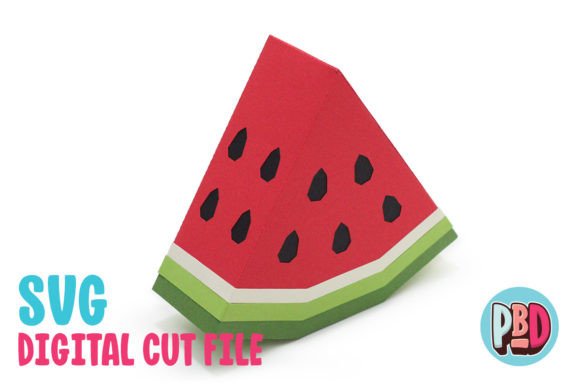
The Watermelon 3D Papercraft is a unique and engaging project that combines artistic creativity with practical utility. Designed for individuals who enjoy hands-on crafting, this papercraft offers a fun way to bring a vibrant, summery aesthetic into any space. Whether used as a decorative piece, a party centerpiece, or an educational tool, the watermelon design is both visually appealing and easy to assemble. Its dimensions—5 inches wide, 2 inches deep, and 4.5 inches tall—make it compact enough for tabletop displays while still maintaining a striking presence.
One of the standout features of this papercraft is its adaptability. The design is intended for use with medium cardstock, which provides the right balance of durability and ease of cutting. This material choice ensures that the finished product holds its shape without being overly rigid. For those new to papercraft, the inclusion of a full material list in the instructions helps streamline the preparation process. From paper stock to adhesives, all necessary components are clearly outlined, making it easier for crafters of all skill levels to get started.
The download package includes a variety of file formats to accommodate different cutting software. A ZIP file contains an SVG cut file, a DXF cut file, and a PDF instruction guide. These files are essential for users who want to create the watermelon design using digital cutting tools. The SVG cut file is compatible with Silhouette Designer Edition and above, as well as Cricut Design Space. These platforms are popular among hobbyists and professionals alike, offering precise control over the cutting process. However, it’s important to note that other software platforms have not been tested, so users should ensure compatibility before proceeding.
The DXF cut file, on the other hand, works with Silhouette Basic Edition. While this format is more accessible to some users, there are a few considerations to keep in mind. DXF files tend to open more slowly in Silhouette Studio and may not render as cleanly as SVG files. To optimize performance, users are advised to adjust their DXF preferences. Specifically, changing the import setting from “As-is” to “Centered” can help the file load correctly. This adjustment ensures that the design aligns properly during the cutting process, reducing the risk of errors or misalignment.
For those interested in using the Watermelon 3D Papercraft in real-world settings, the design offers several practical applications. As a summertime decoration, it can add a fresh and colorful touch to home interiors, event spaces, or outdoor gatherings. Its three-dimensional structure gives it a dynamic look that stands out from flat paper crafts. In a party context, the watermelon can serve as a focal point for themed celebrations, such as summer barbecues, fruit-themed parties, or beach events. Its size and shape make it ideal for placement on tables, walls, or even as part of a larger display.
Educators and students can also benefit from this papercraft. It provides a hands-on activity that teaches basic principles of geometry, spatial reasoning, and craftsmanship. By assembling the watermelon, learners can explore how individual pieces come together to form a cohesive whole. This type of project encourages problem-solving skills and attention to detail, making it a valuable addition to classroom activities or after-school programs. Additionally, the design’s simplicity allows for customization, enabling users to add personal touches such as paint, markers, or additional embellishments.
Business owners and creative entrepreneurs may find the Watermelon 3D Papercraft useful for product development or marketing. Customized versions of the design could be sold as DIY kits, providing a low-cost and scalable option for small businesses. The design’s popularity in the papercraft community also makes it a strong candidate for social media promotion. By sharing the final product or the assembly process, creators can engage with audiences and build a following around their work. This approach aligns with current trends in online content creation, where visual and interactive projects often receive significant engagement.
When considering the Watermelon 3D Papercraft, it’s important to take into account the workflow involved in creating the design. The process begins with downloading and extracting the files, followed by selecting the appropriate cutting software. Users should familiarize themselves with the specific requirements of their chosen platform to avoid technical issues. Once the pieces are cut, the next step involves assembling the papercraft according to the provided instructions. This stage requires patience and precision, as each component must be folded and adhered correctly to maintain the integrity of the final shape.
Despite the straightforward nature of the project, there are a few common challenges that users may encounter. One of the most frequent issues is ensuring that the cut pieces are accurate and consistent. Variations in paper thickness or cutting settings can lead to discrepancies that affect the overall appearance. To mitigate this, users are encouraged to test their cutting setup with a small section of the design before proceeding with the entire project. Another challenge is the time required for assembly, which can vary depending on the user’s experience level. For beginners, the process may take longer, but with practice, efficiency improves significantly.
Ultimately, the Watermelon 3D Papercraft represents a blend of creativity, functionality, and accessibility. Its design is versatile enough to suit a wide range of applications, from personal hobbies to professional endeavors. By leveraging the included files and following the detailed instructions, users can create a high-quality papercraft that adds visual interest to any environment. Whether used as a decorative item, an educational tool, or a promotional asset, the watermelon design demonstrates the potential of papercraft as a medium for artistic expression and practical innovation.